


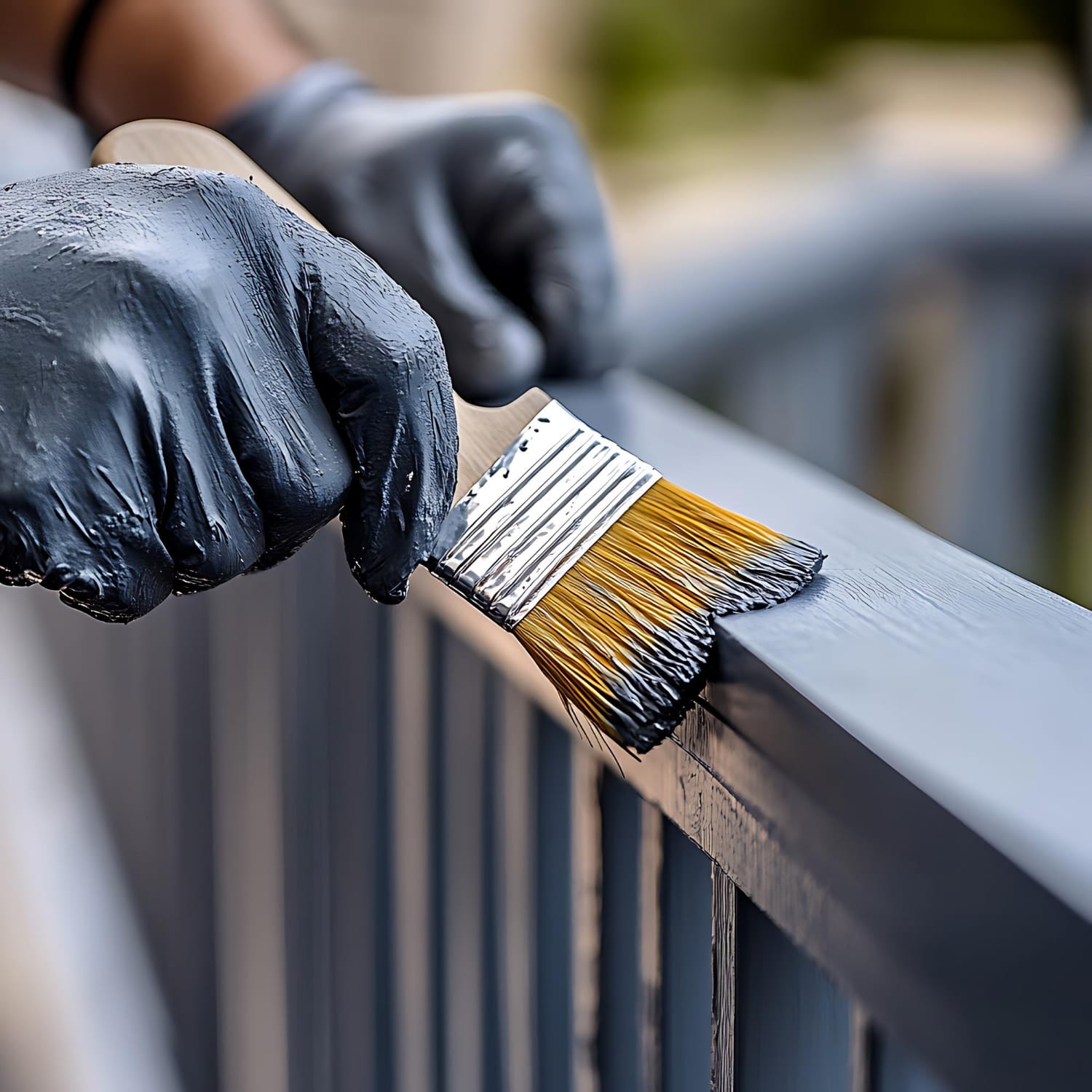
Primer is often neglected in the painting process, but its use can make all the difference in the final result, especially when looking for a high-quality finish with excellent durability.
It is a specific base layer applied before the finishing paint, with the essential function of preparing the surface: it fills pores and micro-cracks and promotes the adhesion of the final paint, preventing it from peeling, cracking or fading over time.
Situations in which Primary Care is Indispensable
Primer should be used whenever the surface is not in perfect condition — for example, with stains, old signs of seepage, or high porosity. It is also highly recommended when painting over a wall that has previously been painted with strong colors, as it helps to cover the previous tone and improves the color transition.
In addition, there are formulas developed specifically for the needs of each material:
| Surface | Primary Type and Function |
|---|---|
| Wood | Seals the natural porosity of the material, preventing uneven ink absorption. |
| Metal | Prevents rust and oxidation, improving the fixation of the finishing paint. |
| Plaster / Plasterboard | It evens out the absorption of the paint and prevents stains caused by joints and finishing mass. |
Like correct sanding, the selection of the appropriate primer for each material is one of the many technical decisions that are entirely up to the team responsible for the work during a professional remodeling. At CW Arquitetura, we plan your turnkey project in detail to ensure impeccable and lasting results, saving you from managing these operational details.
Frequently Asked Questions (FAQ)
Is primer and sealer the same thing?
Although similar, the products have slightly different purposes. The sealer’s main objective is to standardize the level of absorption of very porous surfaces (such as new plaster). The primer, in addition to sealing, has specific properties to improve the adhesion of smooth or difficult surfaces and protect materials against agents such as corrosion or stains.
Can I paint two coats of paint without applying primer?
On new, well-leveled surfaces that are already in excellent condition, yes. However, on damaged, very porous surfaces or that are undergoing a radical color change, the application of primer is crucial to ensure the durability and beauty of the new paintwork.
Is primer good for moldy walls?
There are specific primers with antifungal action integrated into the