


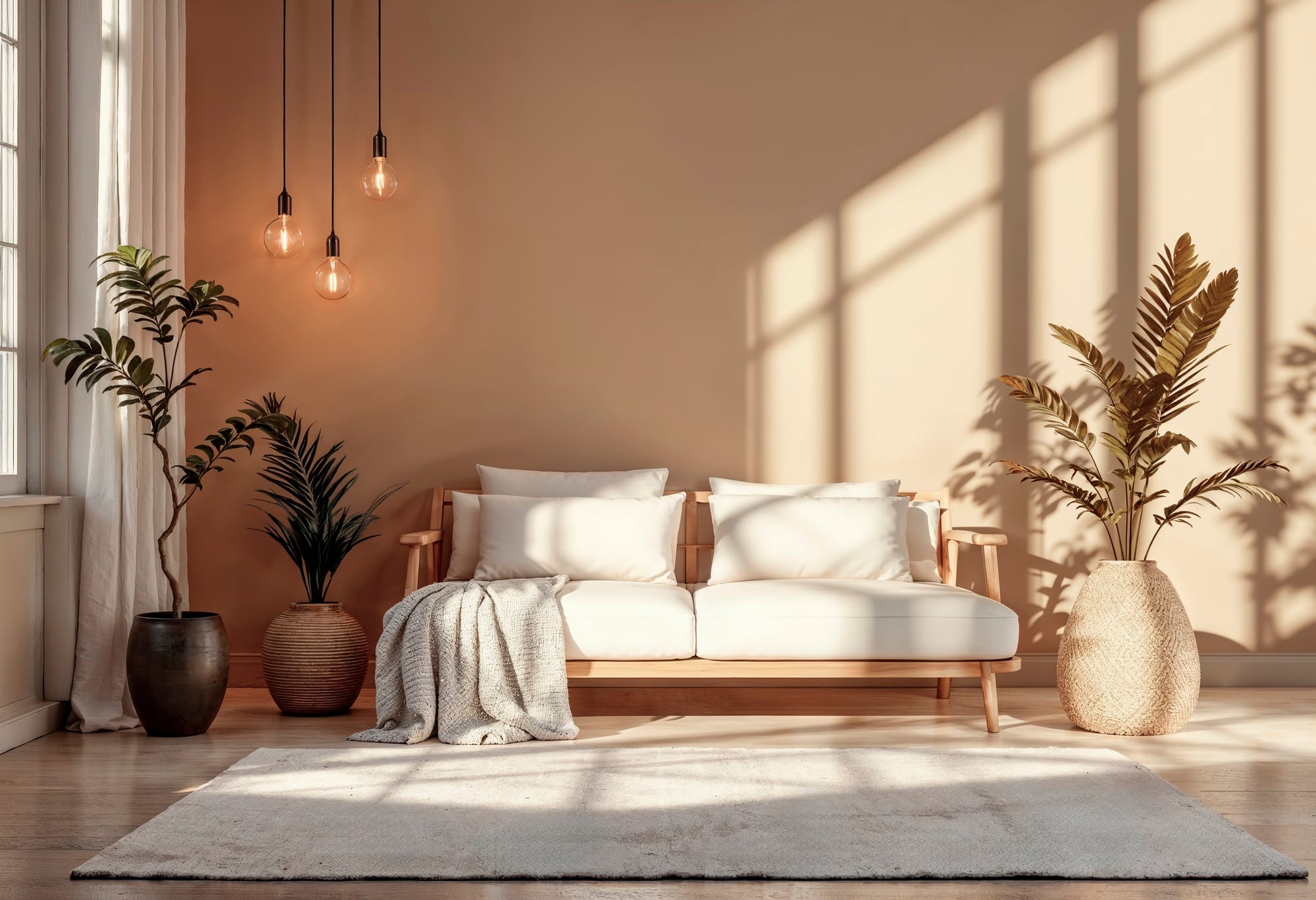
If you’ve followed architecture for the past five years, you’ve seen a clear shift. The cold minimalism of the 2010s has disappeared. Over-the-top maximalism has never really caught on. What has emerged in 2026 is something new: a balance between simplicity and coziness, between technology and nature.
This article explores the trends defining architecture in 2026.
What Defines 2026 in Architecture
Keyword: Humanity
After years of design focused on pure aesthetics, 2026 brings a focus on how spaces make you feel.
It’s no longer, “Is that pretty?” Is, “Does it do me good?”
Warm Minimalism: Minimalism with Soul
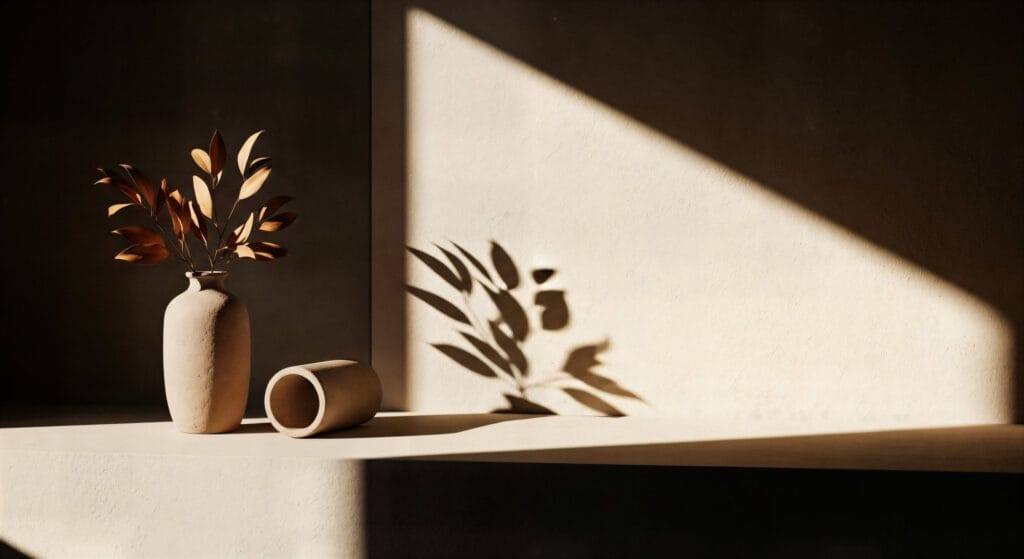
What it is
Warm Minimalism combines the cleanliness of minimalism with the warmth of cozy design. It’s minimalism that’s not cold. It’s simplicity that’s not empty.
Features
- Neutral but warm color palette (beige, warm gray, earth tones)
- Less furniture, but comfortable furniture
- Clean lines but natural textures
- Open spaces, but with defined zones
- No clutter, but with personality
How to Implement
- Colors: Choose a palette of 3-4 neutral colors. Beige, warm gray, white, light brown.
- Textures: Compensate for simplicity with textures. Wood, linen, wool, natural stone.
- Furniture: Less is more, but quality is essential. Choose pieces that are beautiful and comfortable.
- Accessories: Few, but significant. A large plant, a painting, a blanket.
- Light: Natural lighting during the day, warm light at night.
Biophilic Design: Integrating Nature
What it is
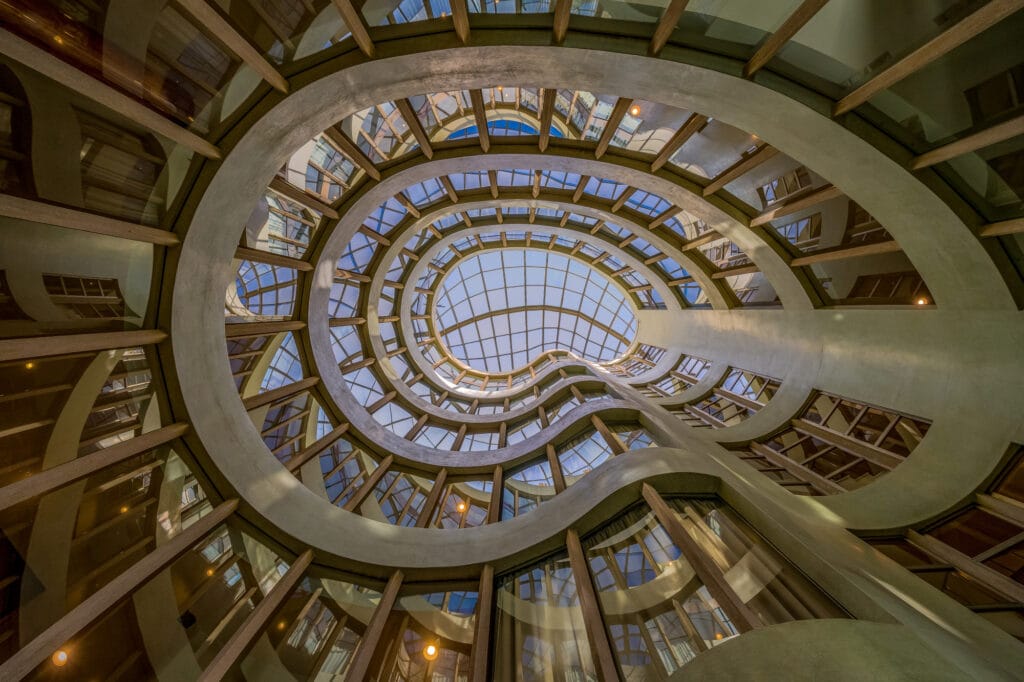
Biophilia is the human instinct to connect with nature. Biophilic design integrates this connection structurally into spaces.
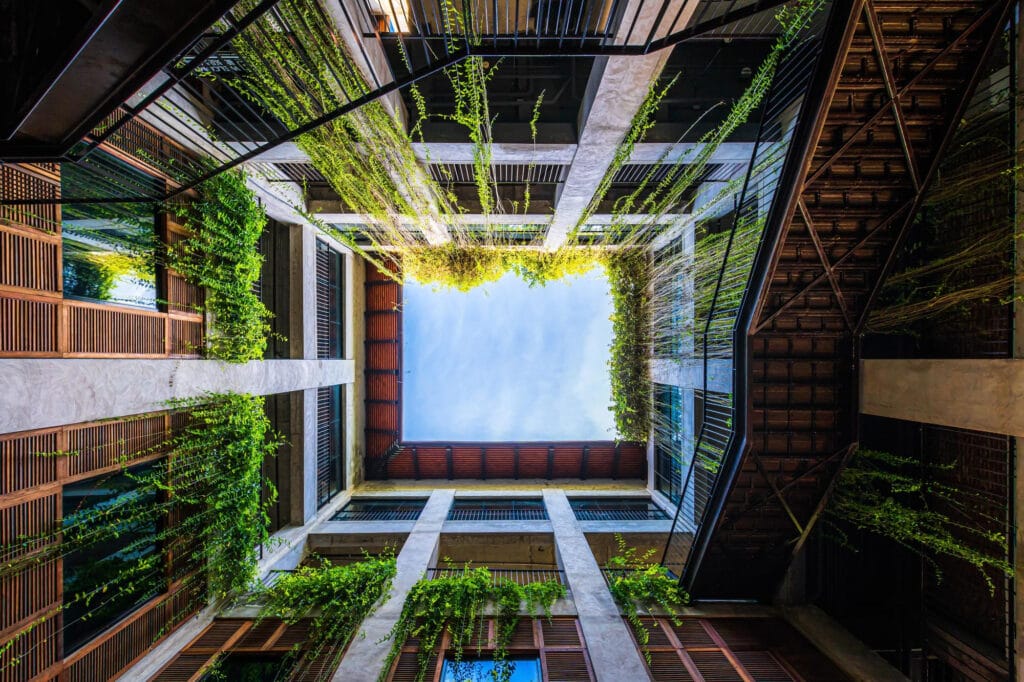
It’s not just putting a plant in a corner. It’s redesigning the space so that nature is central.
Features
- Organic and biomorphic forms
- Natural materials (wood, stone, fibers)
- Integrated plants (not just decorative)
- Maximized natural light
- Visual connection with nature (windows, plants)
- Natural colors (greens, browns, earth tones)
- Textures that refer to nature
How to Implement
- Plants: Not just in pots. Consider green walls, hanging plants, large plants that structure the space. See this project by CW Arquitetura.
- Materials: Real wood (non-laminate), natural stone, natural fibers.
- Shapes: Furniture with curved lines, not just right angles.
- Light: Maximize the entry of natural light. Use artificial light that simulates natural light.
- Water: If possible, add water element (fountain, aquarium).
Sustainable Materials in Focus
Why It Matters
Sustainability is no longer a trend but a necessity. But in 2026, it’s not just about being “eco-friendly”. It’s about quality and longevity.
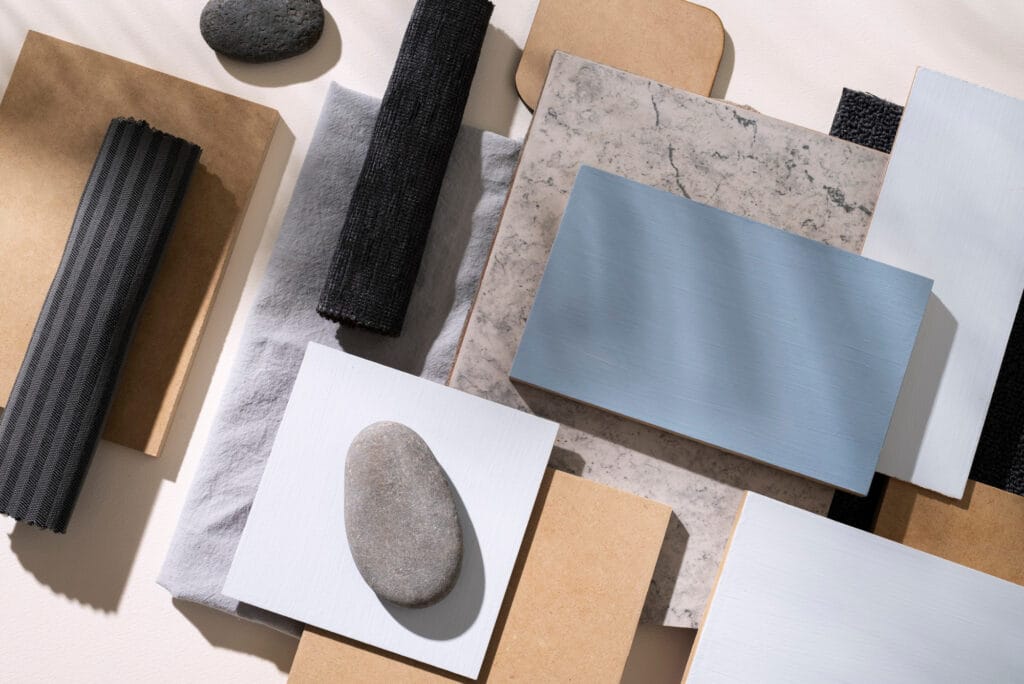
Recommended Materials
- Certified Wood: That comes from responsibly managed forests.
- Natural Stone: Durable, beautiful, aged with grace.
- Ceramics and Glass: Recyclable, durable, timeless.
- Natural Fibers: Linen, wool, cotton for textiles.
- Eco-Friendly Ink: No VOCs (harmful volatile compounds).
Additional Benefit: Sustainable materials often age better. A certified wood table gets more beautiful over time. A quality tile floor lasts for decades.
Sensory and Human Architecture
What it is
After years of design focused on pure visuals, 2026 brings focus in every way.
Sensory Dimensions
- Touch: Textures that invite touch (smooth wood, soft wool, cold stone).
- Nose: Natural scents (plants, wood, natural materials).
- Hearing: Thoughtful acoustics (sound absorption, not echo).
- Palate: Kitchens that invite when cooking and sharing food.
- Vision: Not only beautiful, but it conveys calm and well-being.
Invisible Smart Homes
The Paradox of 2026
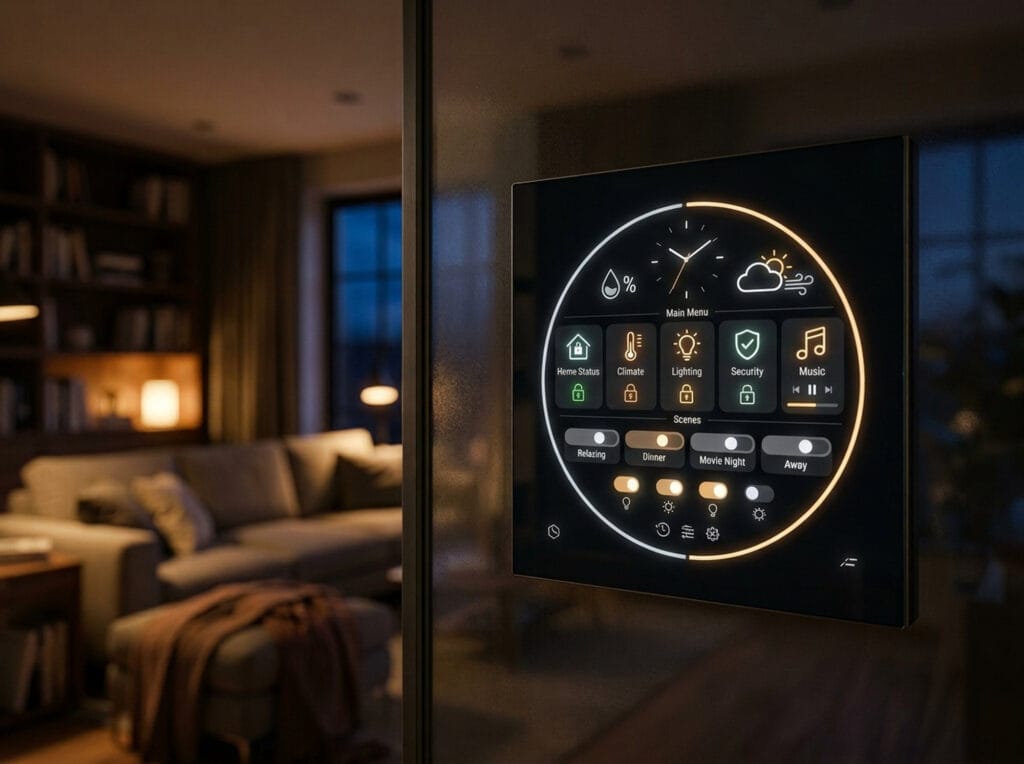
Technology is ubiquitous, but it should be invisible. You want the benefits (comfort, efficiency, safety), but you don’t want to see the technology.
Implementation
- Discreet control panels or via smartphone
- Automatically adapting lighting
- Climate control that learns your preferences
- Security that works without visible cameras
- Sound integrated into walls, not speakers
Contemporary Luxury: Less is More
The Change
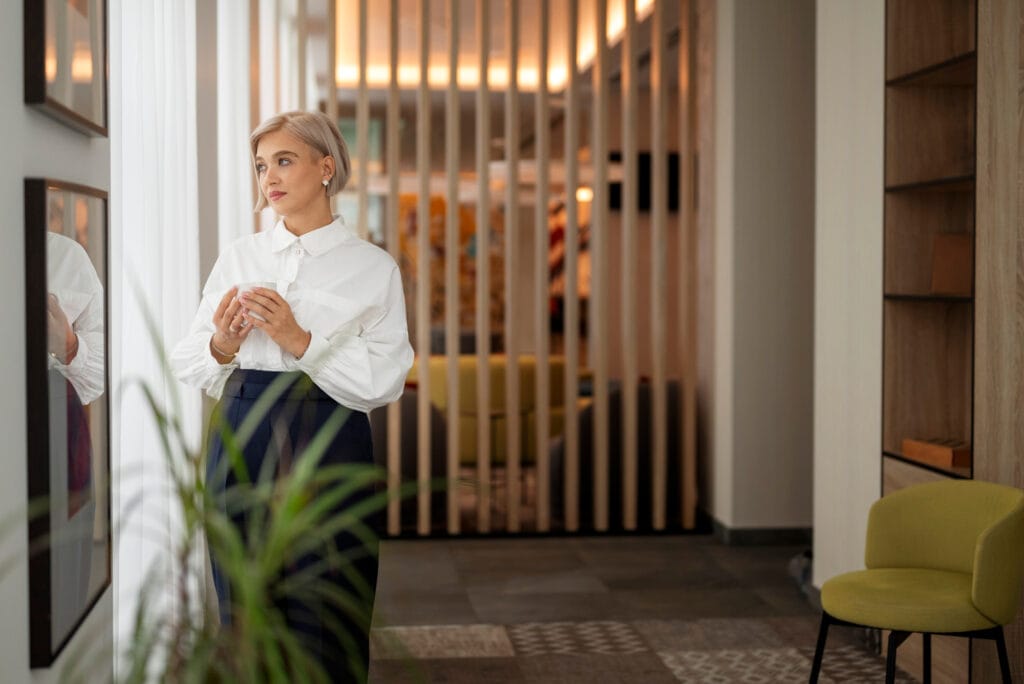
Luxury in 2020 was ostentation: expensive furniture, rare materials, everything visible. Luxury in 2026 is subtlety: quality you feel but don’t see, perfect finishes, timelessness.
Features
- Noble but discreet materials
- Perfect finishes (in millimeters)
- Invisible functionality (hidden storage)
- Less stuff, but better quality
- Timeless design, not trendy
Technical Analysis of Each Trend
Warm Minimalism + Biophilia
These two trends complement each other. Warm Minimalism provides the foundation (simplicity, clarity), and Biophilia adds life (nature, textures, colors).
Together, they create spaces that are both calm and alive, simple but interesting, functional yet beautiful.
Sustainability + Luxury
Premium-quality, sustainable materials are the new luxury. A high-quality, certified wood table is more expensive than a cheap laminate one. But it lasts for decades and ages with grace.
Technology + Humanity
The best technology is the one you don’t see. That works quietly, improving your life without demanding attention.
Conclusion: Preparing for the Future
The trends of 2026 point in a clear direction: architecture that is simultaneously simple and sophisticated, technological and human, modern yet timeless.
If you’re thinking about remodeling or building, these trends offer guidance. It’s not about following fashion. It’s about creating spaces that work well, feel good, and last.
CTA: Want to implement these trends in your space? Contact us for a consultation.